Conquering Monday Morning Dread: Facing Your Bank Account Fears as a Business Owner
- Sam and Steph
- Jun 22
- 4 min read
Every Monday morning, I used to feel a knot in my stomach before I even opened my laptop. The first thing I did was check my business bank account. That moment of truth, staring at the numbers, often filled me with anxiety. I wasn’t alone in this. Many small service-based business owners face the same fear: the dread of seeing an empty business bank account or realizing they have not been paid as a business owner. This feeling is real, and it has a name—cash flow shame.
In this post, I want to share what it means to live with this anxiety, why it happens, and practical steps to face it head-on. If you’re tired of avoiding your bank balance or feeling ashamed about your cash flow, this is for you.

Checking your bank account first thing Monday morning can feel like facing a storm.
Why We Fear Checking Our Bank Account
The fear of looking at your bank account is not just about numbers. It’s about what those numbers represent: your business’s health, your ability to pay bills, and your personal financial security. When you see an empty business bank account, it triggers a deep worry about survival.
For many of us, this fear is tied to cash flow shame. We feel embarrassed or guilty because we believe we should be doing better. We compare ourselves to other business owners who seem to have it all together. This shame can stop us from taking action or seeking help.
I remember one Monday when I avoided logging in for hours. When I finally did, I saw that several clients had not paid as a business owner, and my balance was dangerously low. Instead of panicking, I decided to break down the problem and tackle it step by step. That shift in mindset changed everything.
What It Means When You Check Your Balance First Thing Monday
Checking your bank account first thing Monday morning is a sign that your business finances are on your mind—and that’s a good thing. It means you care deeply about your business’s success. But it also means you might be carrying a heavy emotional load.
This habit often comes from:
Uncertainty about cash flow: Not knowing when payments will come in or if you’ll cover expenses.
Pressure to pay yourself: Feeling frustrated when you have not been paid as a business owner.
Fear of facing reality: Avoiding the numbers because they might confirm your worst fears.
Recognizing this pattern is the first step to changing it. Instead of letting dread control you, you can use this moment to gather information and plan your next move.
How to Face Your Bank Account Fears and Take Control
Here are practical steps I used to turn Monday morning dread into a manageable routine:
1. Name the Feeling
Admit to yourself that you feel anxious or ashamed. This is normal. Many business owners experience cash flow shame. Naming it helps reduce its power.
2. Set a Specific Time to Check Your Account
Instead of checking your balance first thing, schedule a time when you feel calm and focused. This helps you approach the numbers with a clear mind.
3. Break Down Your Cash Flow
Look beyond the total balance. Identify:
Outstanding invoices
Upcoming expenses
Payments you have not been paid as a business owner
This gives you a clearer picture and reduces overwhelm.
4. Create a Simple Cash Flow Plan
Write down what money is coming in and going out over the next few weeks. This plan helps you anticipate challenges and avoid surprises.
5. Reach Out for Support
Talk to other business owners or join a community like The CREW. Sharing your experience reduces isolation and opens doors to advice and encouragement.
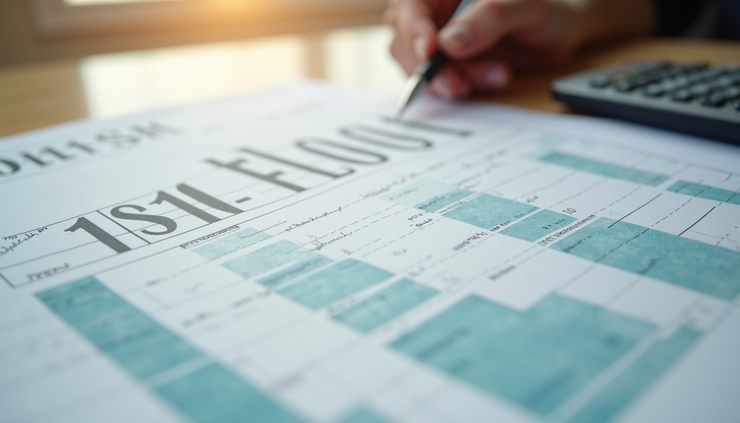
Breaking down your cash flow into a simple plan makes the numbers less intimidating.
What to Do When Your Business Bank Account Is Empty
Seeing an empty business bank account is tough, but it’s not the end. Here’s what I learned to do when I faced this reality:
Prioritize essential expenses: Focus on rent, utilities, and critical supplies first.
Communicate with clients: Politely follow up on unpaid invoices. Sometimes, a reminder is all it takes.
Adjust your budget: Cut non-essential spending until cash flow improves.
Consider short-term financing: Look into small business loans or lines of credit if needed, but be cautious.
Focus on sales and marketing: Find ways to bring in new clients or upsell existing ones.
Remember, many business owners go through lean periods. It’s part of the journey, not a sign of failure.
How to Stop Feeling Guilty About Not Being Paid as a Business Owner
One of the hardest parts of running a small business is not paying yourself regularly. This can lead to feelings of guilt and self-doubt. Here’s how to handle it:
Set realistic expectations: Understand that early stages often mean irregular income.
Separate personal and business finances: This helps you see what you can afford to pay yourself.
Build a small emergency fund: Even a few hundred dollars can ease stress.
Celebrate small wins: Every payment you receive is progress.
Talk openly about money: Sharing your struggles with trusted peers reduces shame.

Reviewing finances regularly helps business owners stay in control and reduce anxiety.
Moving Forward with Confidence
Facing your bank account fears is not easy, but it’s necessary. When you stop avoiding the numbers, you gain power over your business finances. You learn to plan, adjust, and grow.
If you feel stuck, remember you’re not alone. Many business owners experience the same struggles with cash flow shame and empty business bank accounts. The key is to take small, consistent steps and seek support when needed.
Start by scheduling a calm time to check your account this Monday. Write down what you see. Make a plan. Reach out to The CREW or a trusted community. You can turn Monday morning dread into a moment of clarity and control.
Your business deserves that.


Comments